

What Are the Main Treatments for Atopic Eczema?
As atopic eczema is a chronic condition, the goal isn't to cure it permanently. Instead, the treatment of atopic eczema aims to manage symptoms during acute phases and try to minimise the risk of new flare-ups.
This content does not replace the discussion with your healthcare professional. Be sure to ask your healthcare professional about any questions or concern you may have.
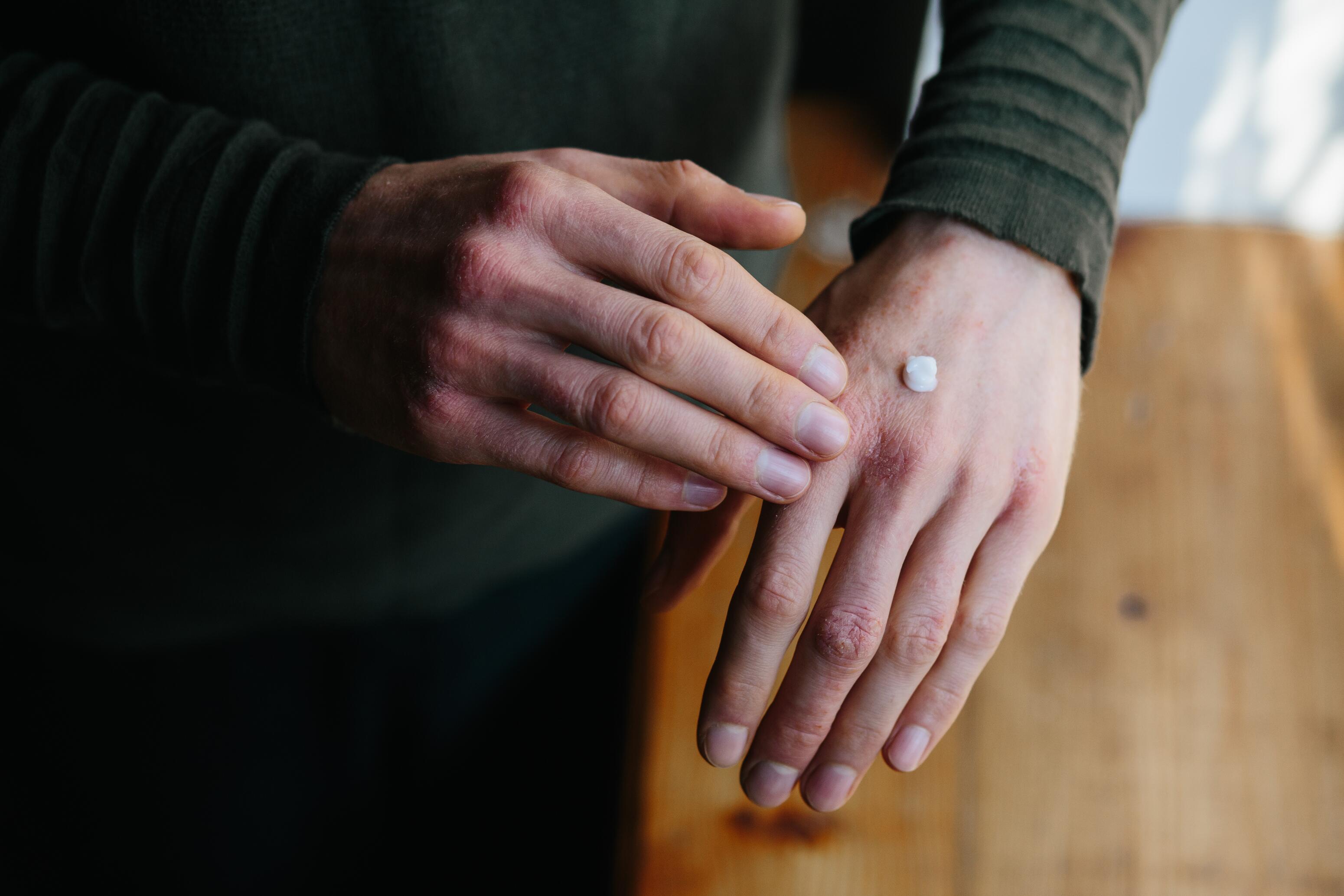
Moisturisation 1,2
Moisturising the skin using emollients is the cornerstone of management of eczema during the maintenance phase. Emollients help retain water and improve barrier function. Applying emollients helps prevent flare-ups.
Topical Corticosteroids 1,2,3
Topical corticosteroids are the first line of treatment for eczema flare-ups. They play a role in controlling itching and inflammation but do not prevent flare-ups. These anti-inflammatory treatments are categorised into four levels of potency*:
- Ultra-high.
- High.
- Moderate.
- Low.
The choice depends on the patient (age, skin type) and the lesions (location, extent, severity). Physicians limit the use of potent topical corticosteroids to severe lesions and try to avoid their application on thin skin (face, eyelids, skin folds, scrotum).
It's important to follow the doctor's prescription precisely by applying the topical corticosteroid on eczema lesions usually until the inflammation (redness, itching) disappears, ideally after a shower or bath. Apply corticosteroids to slightly damp skin to enhance their absorption and spread it in a thin layer with a light massage for penetration.
For thick and resistant lesions, particularly on the palms of the hands or the soles of the feet, dermatologists may prescribe topical corticosteroids under occlusion (wrapped under wet bandages) to enhance their effect.
Treatment with topical corticosteroids usually lasts between 1 and 3 weeks. Noting the number of tubes used and taking photos of the lesions between consultations can help the doctor assess eczema evolution.

Topical Calcineurin Inhibitors 1,2
This class of immunomodulatory treatments is used in patients with moderate to severe eczema poorly controlled by topical corticosteroids.
They are photosensitising treatments, so avoid sun exposure during use.
Exceptional Treatments 1,2
They are indicated for severe eczema resistant to well-followed topical treatments.
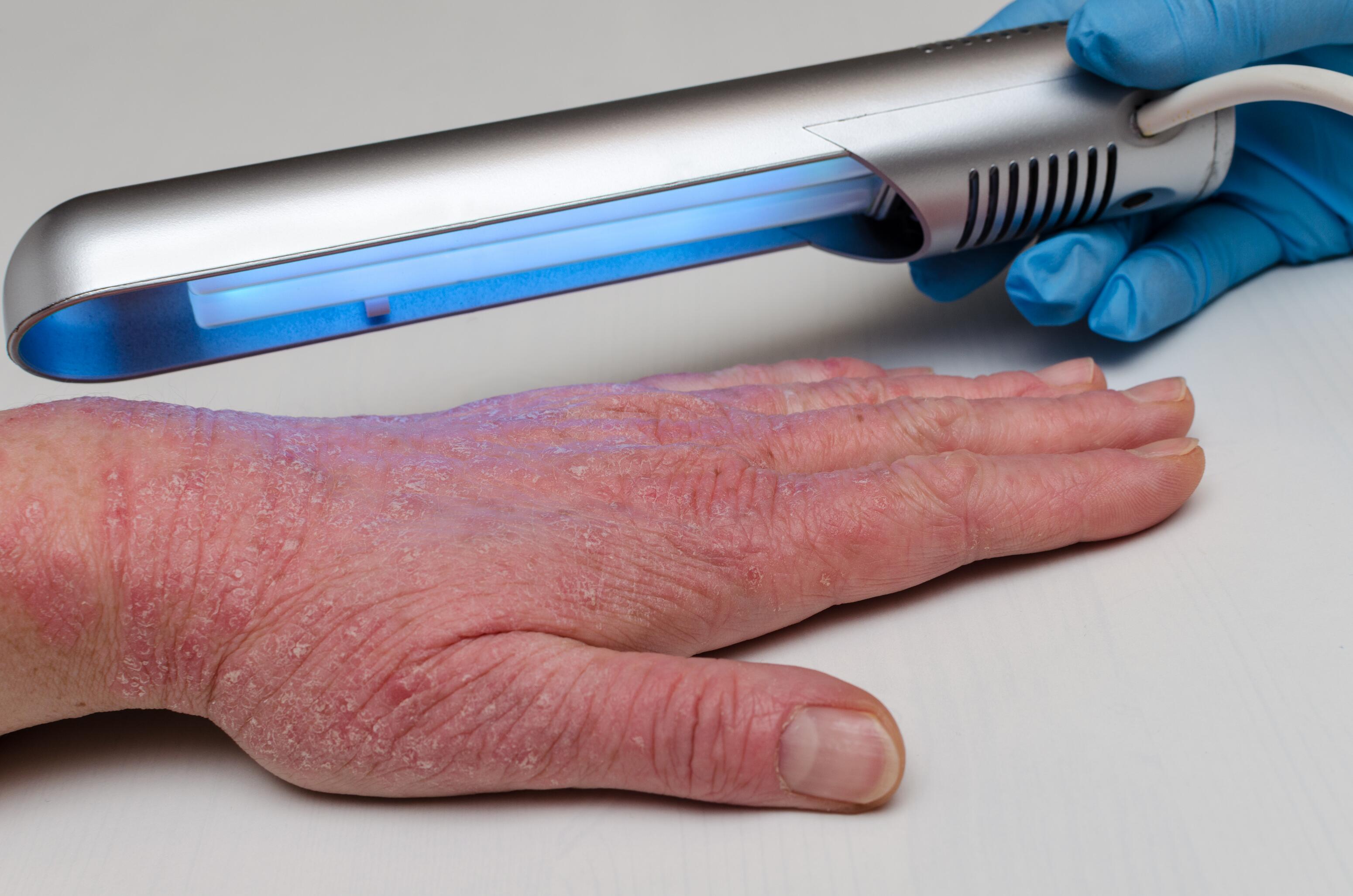
Phototherapy
Phototherapy involves exposing the skin to specific types of ultraviolet (UV) light:
- UVA-1 for treating severe acute eczema lesions.
- Narrowband UVB for treating chronic severe eczemas.
Phototherapy is usually administered by a dermatologist using specialised equipment. The duration and frequency of treatments can vary depending on the severity of the eczema and the effectiveness of the treatment.
It requires a doctor's supervision to try to avoid side effects (burns, pain, itching, pigmentation, and even a long-term risk of skin cancer).
Janus Kinase Inhibitors
Janus kinase (JAK) inhibitors are reserved for treating children and adults with moderate to severe atopic dermatitis according to their marketing authorization.
A pre-treatment assessment is necessary to rule out infection or pregnancy, and vaccinations must be current.
Cyclosporine
Cyclosporine is indicated in the treatment of severe eczema in adults. Patients must be closely monitored due to possible adverse effects of the treatment on the kidneys, liver, and blood pressure.
Monoclonal Antibodies
These treatments block pro-inflammatory molecules (cytokines) that steer the immune system towards a Th2-type allergic reaction. Monoclonal antibodies are indicated in the treatment of moderate to severe atopic dermatitis for adults and children according to their marketing authorization.
Management of Associated Signs and Complications 1,2
Doctors could prescribe topical or oral antibiotic treatments in case of bacterial over-infection of eczema lesions.


Psychological Support and Therapeutic Education 1,2
Eczema is a chronic condition that can lead to psychological disorders such as anxiety and depression, which can exacerbate eczema symptoms through scratching.
Psychological support or relaxation techniques can help break the itch-scratch-flare cycle, especially in teenagers and young adults.
Simultaneously, therapeutic education informs about the nature of the disease, triggering factors, appropriate skincare practices, and self-management strategies to minimise flare-ups. Therapeutic education programmes may include workshops on the correct application of topical treatments, information sessions on the importance of skin moisturisation, and advice on managing stress and anxiety.
How to Prevent Eczema Flare-ups ?
To try to minimise eczema flare-ups, you may consider the following advice:
Look after your skin
- Moisturize daily with an emollient to hydrate your skin and restore the skin barrier.
- Limit showers or baths to once a day with lukewarm water, and opt for gentle, soap-free cleansers.
- Pat your skin dry, avoiding rubbing, and choose cotton clothing over synthetic fabrics or wool.
- Rinse clothes thoroughly to remove detergent residues and steer clear of fragranced fabric softeners.
Eliminate Trigger and Aggravating Factors
- Keep your home cool, steer clear of carpets and rugs, and ventilate regularly.
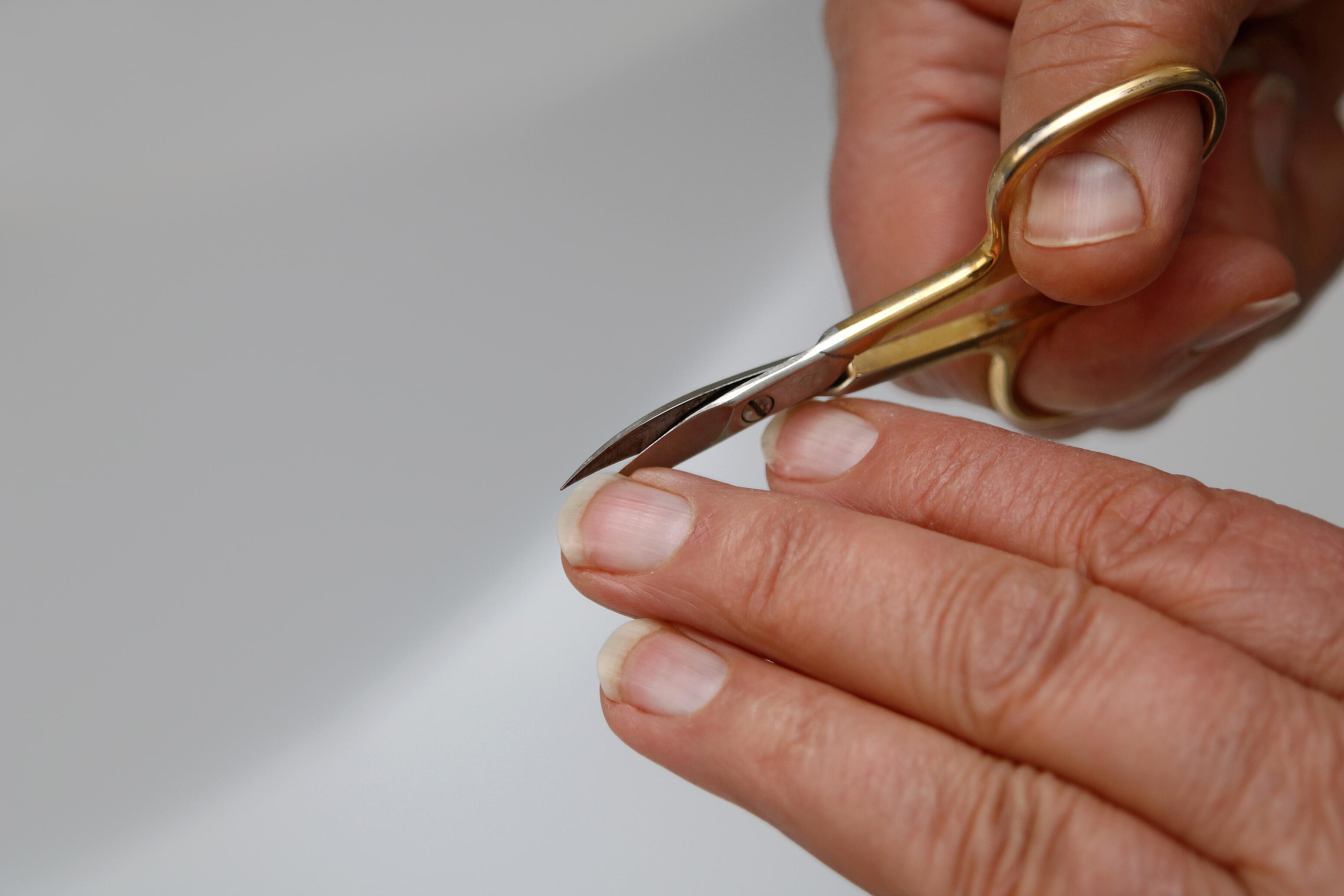
- Trim your nails often and avoid scratching eczema patches to prevent further lesions and infection.
Optimize Your Lifestyle
- If applicable, quit smoking.
- Engage in physical activities that don't cause excessive sweating.
- Following each session, take a lukewarm shower and then apply an emollient.
- In cold, dry weather, apply emollients more frequently.
- Do not alter your diet without medical advice unless a food allergen has been identified.
*Note: A 7-level activity classification is also used, particularly in the USA.
Skin care
Use of mild cleaners
Pat your skin dry
Avoid synthetic or woollen materials


Advice on limiting the factors that aggravate eczema
Air your home
Keep your nails short
Do not scratch eczema patches

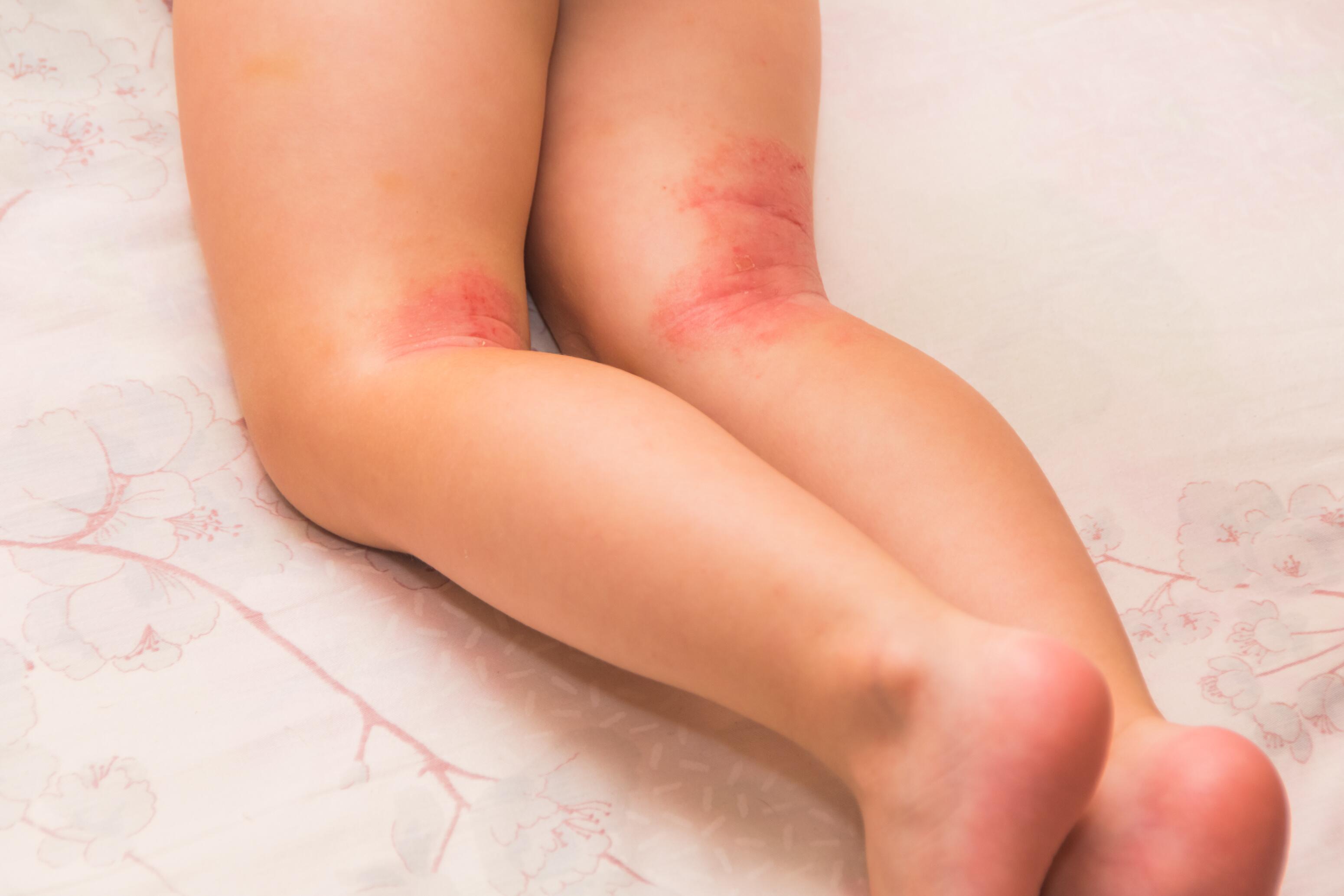
Common causes of different types of eczema
Avoid tobacco
Take a lukewarm shower after sport
Apply an emollient
Do not change your diet without medical advice


FAQ
It is often difficult to achieve a complete cure for atopic dermatitis. The aim of treating eczema and atopic dermatitis is therefore to control symptoms during the acute phases and try to minimise the risk of further flare-ups.
Regularly use an emollient cream to keep the skin moisturised and strengthened, cold packs, avoid baths that are too hot and wear soft cotton clothing to avoid irritation. If necessary, consult a doctor.
Opt for products that have been specially formulated for dry to atopic skin. Their tolerance is optimised by using fragrance-free and hypoallergenic ingredients. These products are designed to minimise the risk of irritation and are often recommended for sensitive skin or skin prone to allergic reactions.
Seasonal changes can be periods when Atopic Dermatitis flares up: the arrival of allergens, cold, heat and humidity...These are times when your skin care routines need to be particularly closely followed: you could avoid hot baths that are too long, opt for light cotton clothing, air out your surroundings regularly and continue to keep your skin well moisturised with an emollient cream.
The first step is to consult your family doctor or paediatrician, who can then refer you to a specialist if necessary.
References
1. Wollenberg A and al. European guideline (EuroGuiDerm) on atopic eczema - part II: non-systemic treatments and treatment recommendations for special AE patient populations. J Eur Acad Dermatol Venereol. 2022 Nov;36(11):1904-1926.
2. Wollenberg A, Kinberger M, Arents B, Aszodi N, Barbarot S, Bieber T, et al. European Guideline (EuroGuiDerm) on atopic eczema: Living update. J Eur Acad Dermatol Venereol [Internet]. 2025;39(9):1537–66. Available from: http://dx.doi.org/10.1111/jdv.20639
3. Lebrun-Vignes B, Chosidow O. Dermocorticoïdes. EMC. Elsevier Masson SAS, Paris) Dermatologie, 98-900-A-10, 2011